
Hidden Door Handle Ban Confirmed in China – And Why It Could Change Cars Worldwide
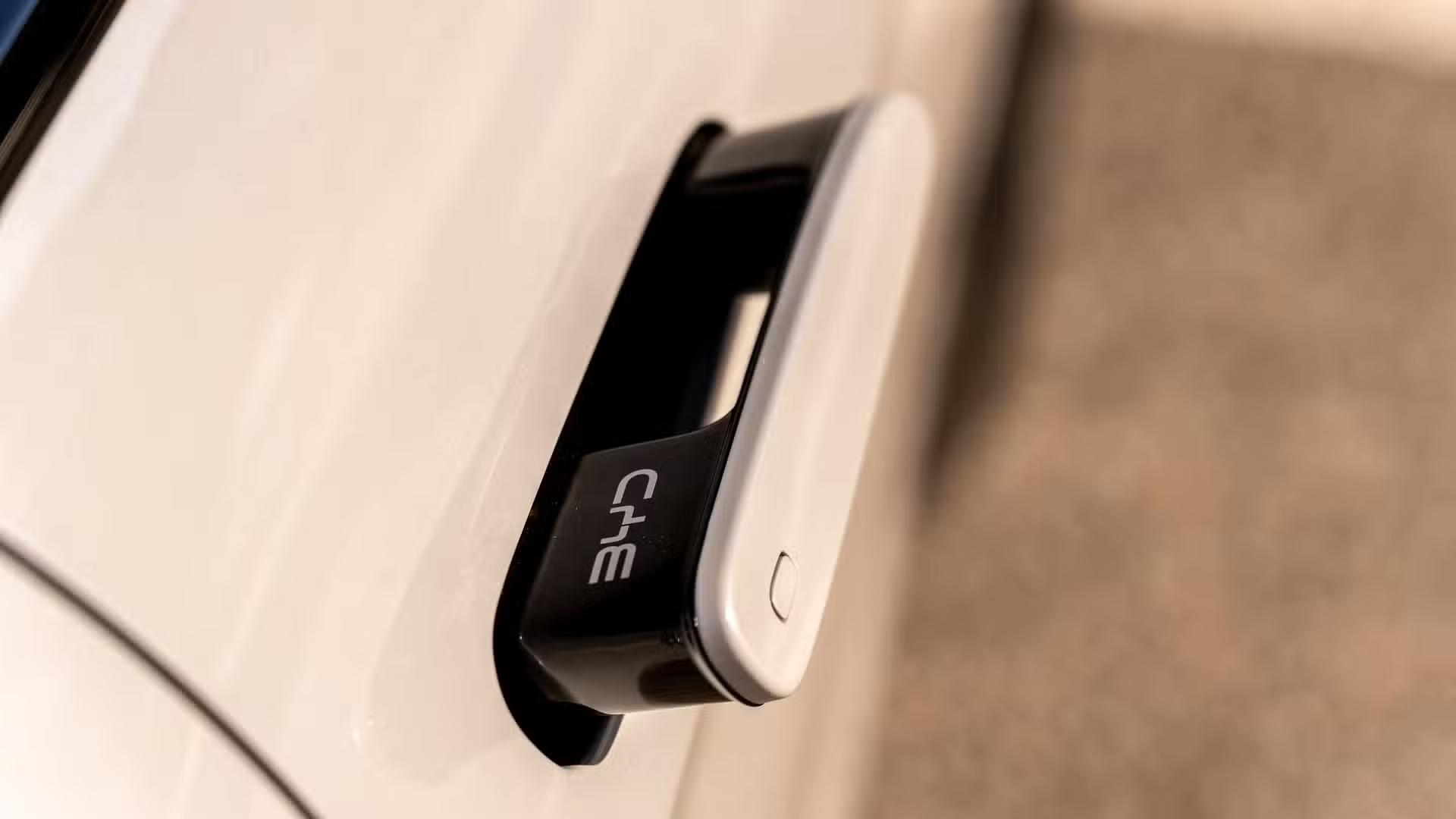
Hidden and retractable door handles have become a signature design feature of modern cars, especially EVs. Sleek, flush-fitting handles promise better aerodynamics, improved efficiency, and a futuristic look. But that trend is now facing a major roadblock.
China has officially confirmed a ban on certain types of hidden door handles, a move that could have ripple effects across the global automotive industry.
What’s Being Banned?
From 1 January 2027, China will introduce new safety regulations that effectively prohibit power-operated, retractable door handles unless they meet strict mechanical backup requirements.
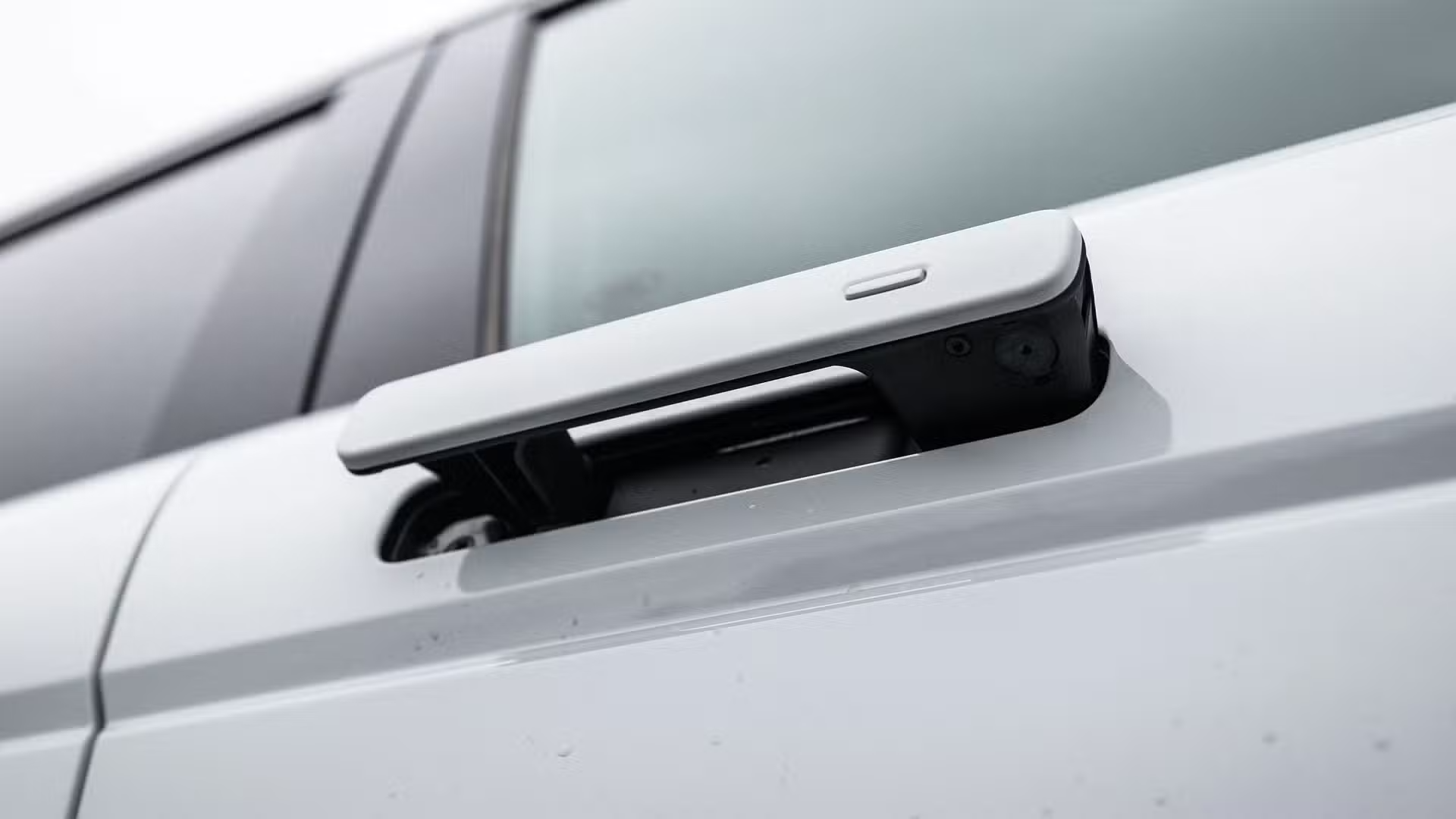
These are the door handles that sit flush with the body and automatically pop out when the vehicle is unlocked — a feature seen on many modern electric and luxury vehicles.
The decision comes after safety concerns were raised, particularly around emergency situations. Reports from China and overseas suggest first responders have struggled to access vehicles after accidents when electronic door systems fail.
In short: if the power goes out, the door still needs to open — easily and quickly.
Why China’s Decision Matters Globally
China isn’t just another market. It’s the largest automotive market in the world, and many global manufacturers design vehicles specifically to meet Chinese regulations.
That means when China tightens the rules, carmakers often adapt their designs globally, rather than producing different door systems for different regions. As a result, this ban could signal the beginning of the end for retractable door handles worldwide.
The New Rules Explained
According to China’s Ministry of Industry and Information Technology (MIIT), the updated standards require:
- Exterior door handles to include a mechanical release
- A minimum exterior handle cavity size of 6cm x 2cm x 2.5cm
- Interior door releases to be clearly labelled, with signage measuring at least 1cm x 0.7cm
- Emergency-accessible mechanical releases for both front and rear doors
The key focus is accessibility — ensuring anyone, including emergency services or occupants unfamiliar with the vehicle, can open the doors without relying on electronics.
Which Cars Are Affected?
A wide range of manufacturers currently use power-operated flush door handles, including:
- BYD
- Zeekr
- XPeng
- Leapmotor
- Deepal
- Land Rover
Vehicles like the BYD Seal and Range Rover Evoque feature pop-out handles that rely heavily on electric mechanisms — precisely the type under scrutiny.
Are Any Hidden Handles Still Safe?
Not all modern door handle designs are on the chopping block.
Semi-concealed or traditional-looking handles that activate electronic latches, rather than retracting completely into the body, may still be allowed. Examples include:
- The second-generation Lexus NX
- Vehicles with conventional-shaped handles paired with electronic releases
These designs maintain a familiar form while still offering modern functionality — a potential middle ground for manufacturers moving forward.
What This Means for the Future of Car Design
The ban highlights a growing shift in automotive priorities. While innovation and design remain important, safety and real-world usability are taking centre stage.
Manufacturers may now need to rethink how they balance:
- Aerodynamics vs emergency access
- Minimalist design vs intuitive operation
- Technology vs mechanical fail-safes
For consumers, this could mean a return to more visible, tactile door handles — albeit with modern refinements.
The Bottom Line
China’s hidden door handle ban is more than a local regulation — it’s a signal to the global automotive industry.
As brands adapt to meet stricter safety standards in the world’s biggest car market, we’re likely to see fewer retractable door handles and more emphasis on designs that work in all conditions, not just ideal ones.
The future of car design may still look sleek — just a little more practical.
Source: Drive.com.au