
Kia Tops EV Battery Health Study After 100,000km
If you’re considering making the switch to an electric vehicle, one of the biggest questions is likely to be: how long will the battery last?
A major Swedish study has delivered encouraging news for EV buyers — and particularly impressive results for Kia.
After analysing almost 10,000 electric vehicle battery tests, the study found that the Kia e-Niro recorded the highest battery health of any vehicle tested after approximately 100,000km of driving, retaining an impressive 97.25% of its original battery capacity.
Even better for Kia fans, the Kia EV6 also ranked among the top three performers.
For drivers considering an electric vehicle in Sydney and the Sutherland Shire, the findings provide another reason to take a closer look at Kia’s growing electrified vehicle range at Tynan Kia Sutherland.
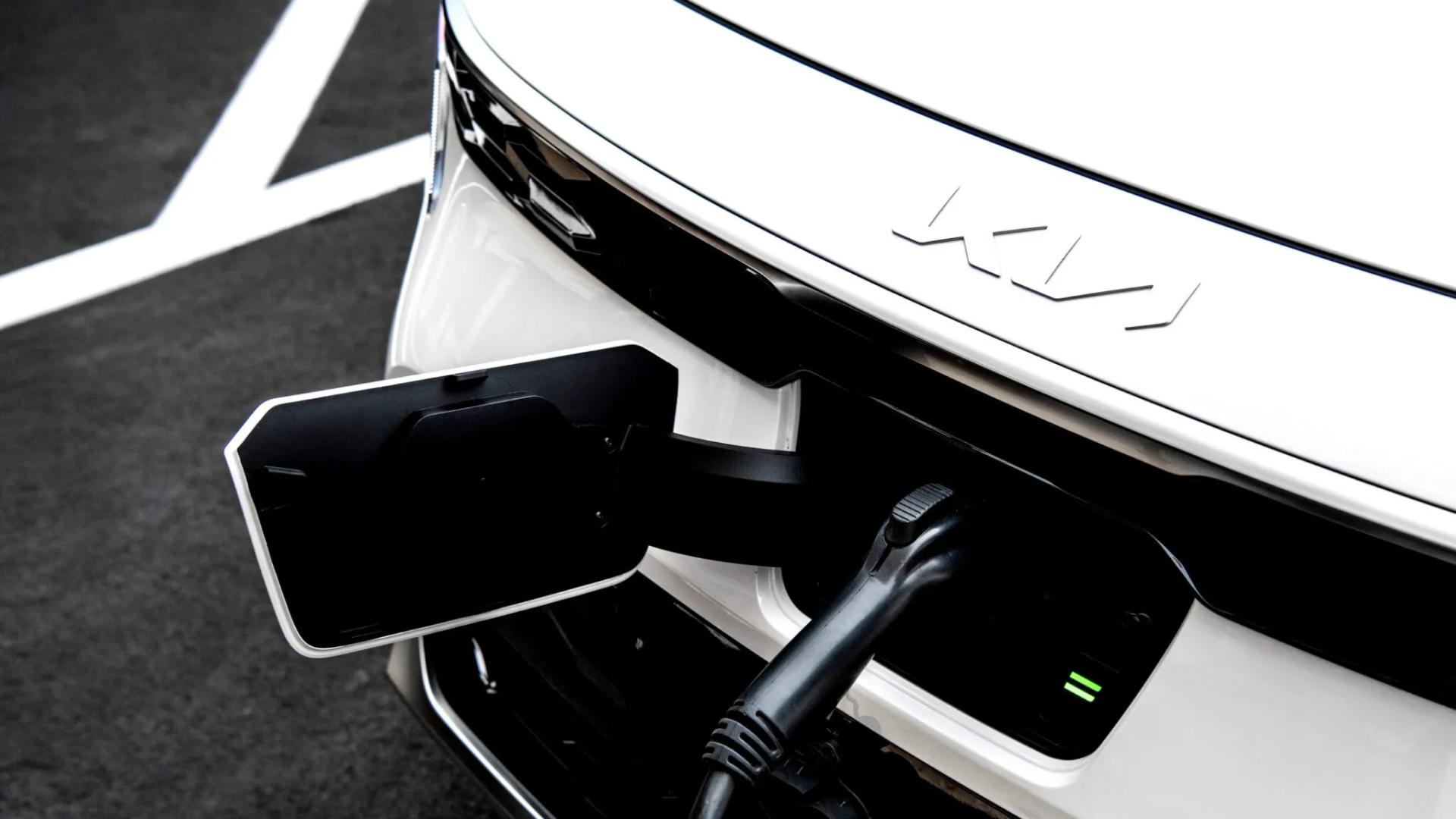
Kia e-Niro Records 97.25% Battery Health After 100,000km
The Swedish analysis was conducted by online vehicle marketplace Carla and examined 9,954 EV battery tests from vehicles sold in Sweden between 2022 and 2026.
Battery health was measured using diagnostic technology from AVILOO, which assesses the battery pack’s State of Health rather than relying solely on the vehicle's own estimated battery readings.
The standout performer was the Kia e-Niro equipped with a 64kWh battery.
After approximately 100,000km of driving, it retained:
97.25% of its original battery capacity
That means the battery had reportedly lost less than 3% of its original capacity after 100,000km.
The Hyundai Kona using a 64kWh battery followed closely behind at 97.18%, while another Kia — the EV6 equipped with a 77.4kWh battery — finished third with an impressive 95.95%.
Kia EV6 Also Among the Best EVs for Battery Health
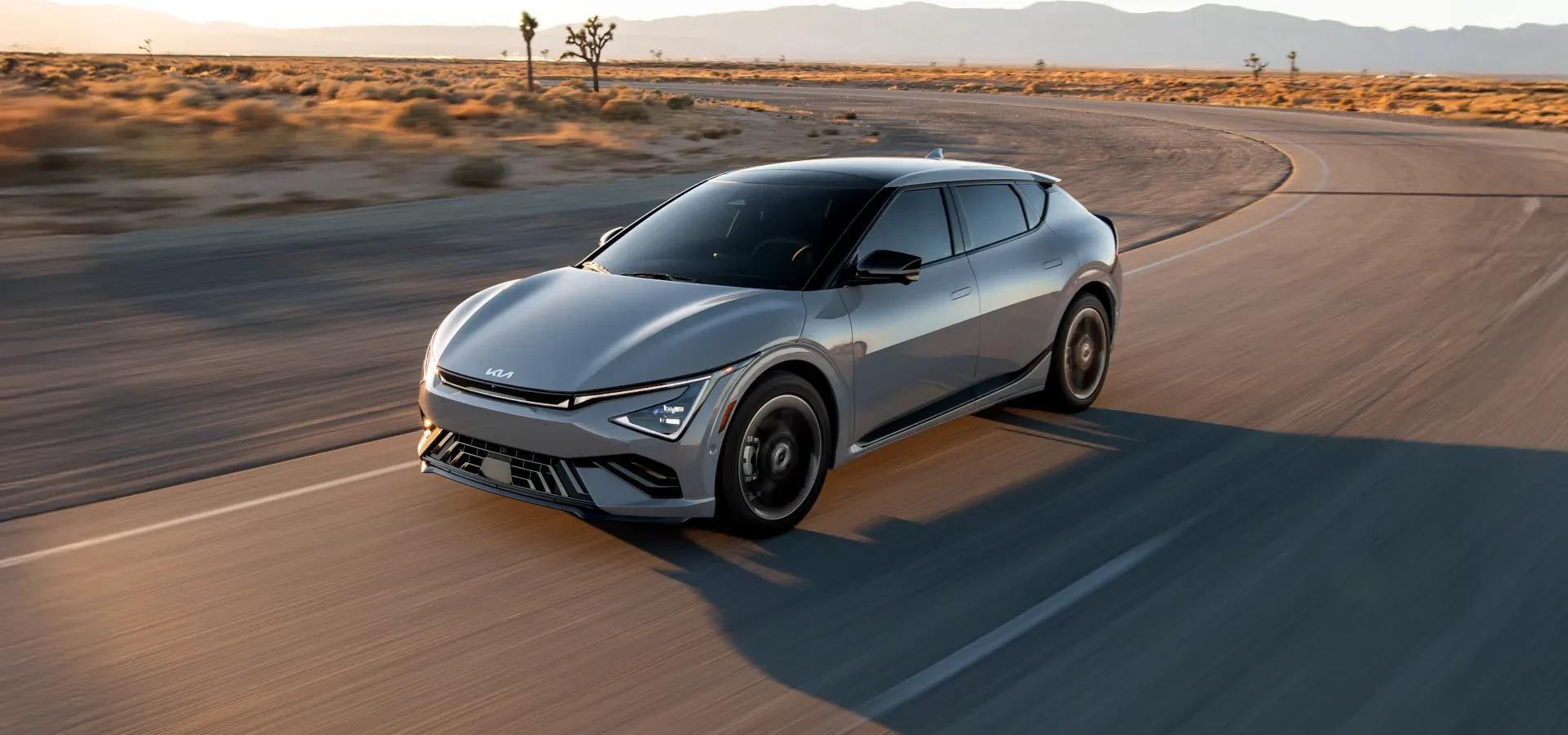
The results weren’t limited to one Kia model.
The Kia EV6 achieved 95.95% battery health after approximately 100,000km, placing it ahead of a number of well-known electric vehicles tested in the study.
Among the leading results were:
| EV Model | Reported Battery Health After 100,000km |
|---|---|
| Kia e-Niro – 64kWh | 97.25% |
| Hyundai Kona – 64kWh | 97.18% |
| Kia EV6 – 77.4kWh | 95.95% |
| Volvo XC40 Recharge – 69kWh | 94.70% |
| Polestar 2 – 78kWh | 94.35% |
| BMW i3 – 120Ah | 93.77% |
| Tesla Model 3 – 60.5kWh CATL LFP | 93.34% |
| Audi e-tron 50 – 71kWh | 93.02% |
| Audi e-tron 55 – 95kWh | 92.93% |
| Tesla Model S | 92.80% |
The results are particularly notable given the amount of attention that has traditionally surrounded EV battery degradation.
How Does Kia EV Battery Health Compare With Tesla?
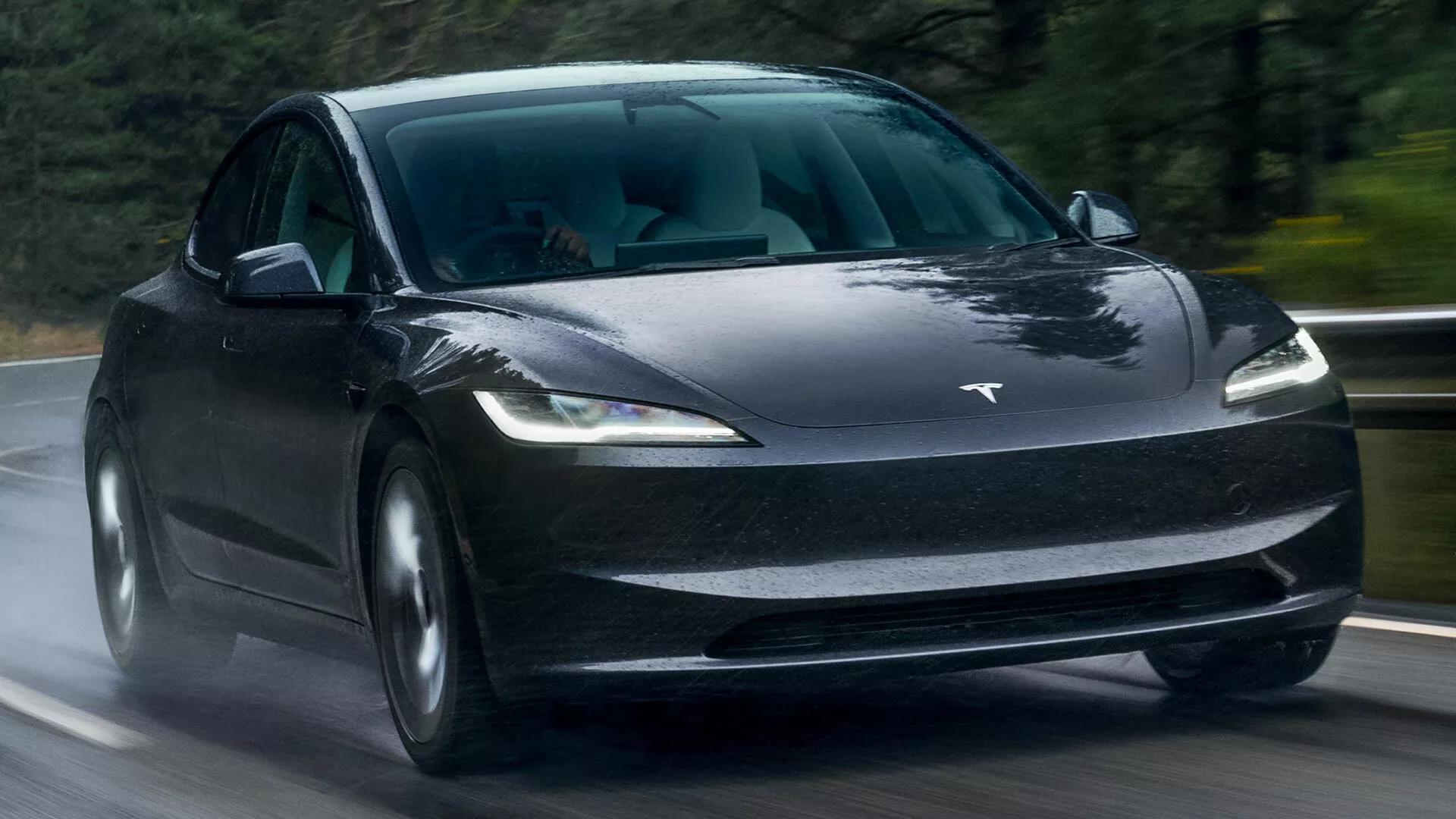
Tesla has helped drive global EV adoption, but in this particular study, Kia occupied two of the top three positions.
The highest-ranked Tesla was a Model 3 equipped with a 60.5kWh CATL LFP battery, which reportedly retained 93.34% of its original capacity after approximately 100,000km.
By comparison:
- Kia e-Niro: 97.25%
- Kia EV6: 95.95%
- Tesla Model 3 CATL LFP: 93.34%
Importantly, this doesn't mean every Kia battery will experience exactly the same level of degradation. Battery condition can be influenced by factors including charging habits, climate, driving conditions, vehicle age and usage.
However, a dataset covering almost 10,000 tests provides encouraging real-world evidence about the long-term performance modern EV batteries can achieve.
How Long Do Electric Car Batteries Last?
EV battery longevity has traditionally been one of the biggest concerns for Australians considering an electric car.
Modern EV battery technology has continued to improve, with sophisticated thermal management, battery management systems and charging technology designed to protect the battery throughout its life.
The Swedish results reinforce this progress.
Every vehicle appearing in the study's top 20 retained more than 90% of its reported original battery capacity at approximately 100,000km.
For drivers travelling around Sydney, the Sutherland Shire and beyond, that could provide additional confidence when considering an electric vehicle for long-term ownership.
What Does Battery State of Health Mean?
An EV battery's State of Health, commonly referred to as SOH, is an indication of how much usable capacity the battery retains compared with when it was new.
For example, a battery with 97% State of Health has retained approximately 97% of its original capacity.
Some battery degradation over time is normal for lithium-ion batteries. The rate can vary considerably depending on how the vehicle is driven, charged, stored and maintained.
This makes the reported 97.25% result achieved by the Kia e-Niro after approximately 100,000km particularly impressive.
Why Kia's EV Battery Performance Matters
Battery health can affect several important aspects of electric vehicle ownership, including driving range, long-term usability and potentially resale confidence.
The results of the Swedish study suggest Kia's battery technology has performed strongly under real-world conditions.
For Australian drivers considering their first EV, results like these may help address some of the traditional concerns surrounding electric vehicle ownership.
And battery performance is only one part of the equation.
Kia's electrified vehicles combine electric powertrains with modern technology, connectivity, driver assistance features and practical designs suited to everyday driving.
Considering a Kia Electric Vehicle in Sydney?
If you're thinking about making the move to electric, Tynan Kia Sutherland can help you explore Kia's electrified vehicle range and understand what EV ownership could look like for your lifestyle.
Whether you're commuting through Sydney, travelling around the Sutherland Shire or planning longer weekend drives, the team can help you compare Kia vehicles, features, charging considerations and available options.
Visit Tynan Kia Sutherland
Discover Kia electrified vehicles with Tynan Kia Sutherland and speak with our team about finding the right vehicle for your needs.
Explore the Kia range, enquire online or book a test drive with Tynan Kia Sutherland today.